

Quick Summary
Heirloom home decor is built to be kept, used and passed on, so choose pieces by how well they hold their form, color and meaning over time rather than by season. Look for natural materials like 100% cotton, woven rather than printed designs, and careful construction with clean, finished edges.
- Check whether materials are named specifically, such as 100% cotton or heavier archival paper.
- Favor woven designs over printed surfaces, since they are less likely to fade or peel through washing.
- Examine the back of a piece and its edge stitching, not just the front.
- Choose one main story per room and keep surrounding patterns simple.
- Follow the care label closely, using cold water and low heat on cotton textiles.
Table of Contents
- What Heirloom Home Decor Really Means
- Criteria for Identifying Heirloom Quality
- A Checklist for Evaluating Craftsmanship
- How to Mix Vintage and Modern Decor Without Clutter
- How to Decorate With Family Heirlooms
- Vintage Home Decor Ideas for Story-Rich Rooms
- Where to Source Authentic Pieces
- Caring for Your Pieces So They Last for Generations
- Choosing Your First Piece to Start Your Collection
- Frequently Asked Questions
How to Choose Heirloom Home Decor That Lasts
Last Updated: November 23, 2026
What Heirloom Home Decor Really Means
Heirloom home decor is a piece built to be kept, used and passed on. At Modern Medieval Press, we design our woven blankets and art prints around that idea: pieces that look better with age, sit comfortably in a room for years, and carry a story rather than a trend. Choosing heirloom home decor starts with understanding that the object matters less than how long it will hold its form, color and meaning.
Many people use the word loosely. A true heirloom piece is made from durable materials, assembled with care, and chosen for its character rather than its season. Trend-driven items are designed to be replaced. Heirloom pieces are designed to stay.
Woven cotton throws are a good example. When artwork is woven into the fabric rather than printed on the surface, the design is less likely to fade or peel through washing and folding. That difference is part of what makes a piece last.
Criteria for Identifying Heirloom Quality
Before you buy, check a piece against a few clear standards. The best heirloom decor shares three traits: it is made from materials that age well, it is built with deliberate construction, and its design has enough depth that you will still want it in ten years.
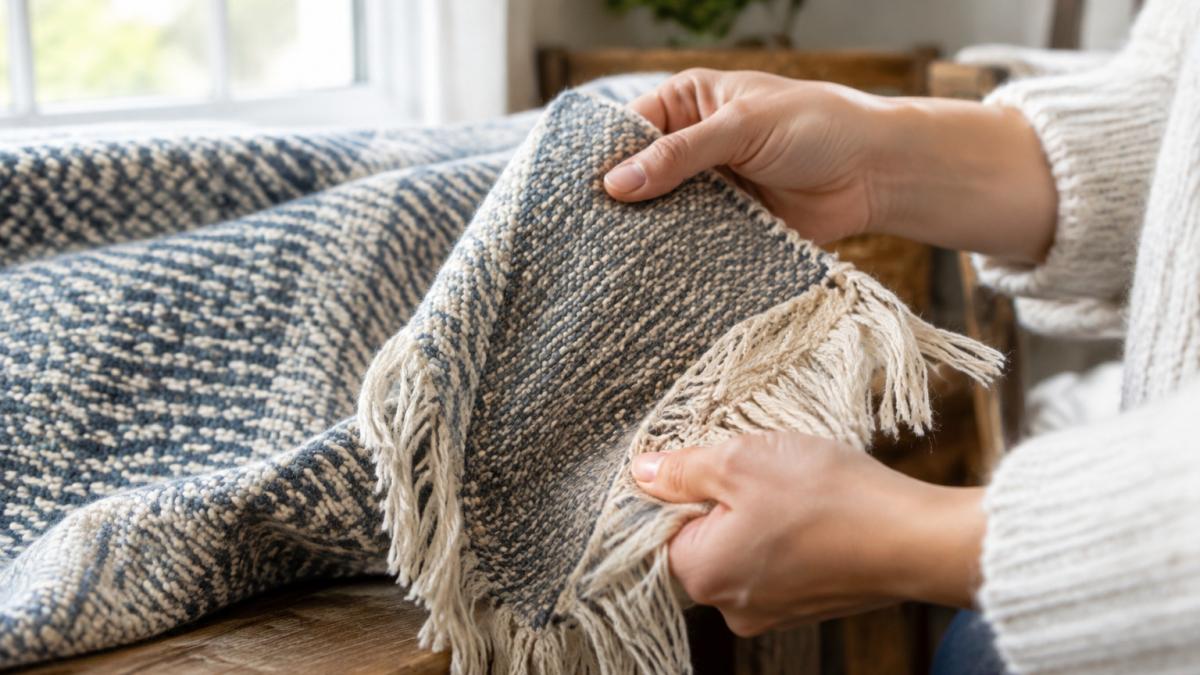
Start with the question of how the piece was made. Hand-finished or carefully produced work usually shows consistent detail, even edges and intentional choices. Mass-produced items often reveal shortcuts in the places nobody looks first, like the back of a frame or the edge of a fabric.
Then consider whether the design will hold your interest. A piece that reflects a real idea, whether folklore, architecture or a deliberate color palette, tends to stay relevant longer than something made purely to match this season's palette.
Materials That Hold Up Over Time
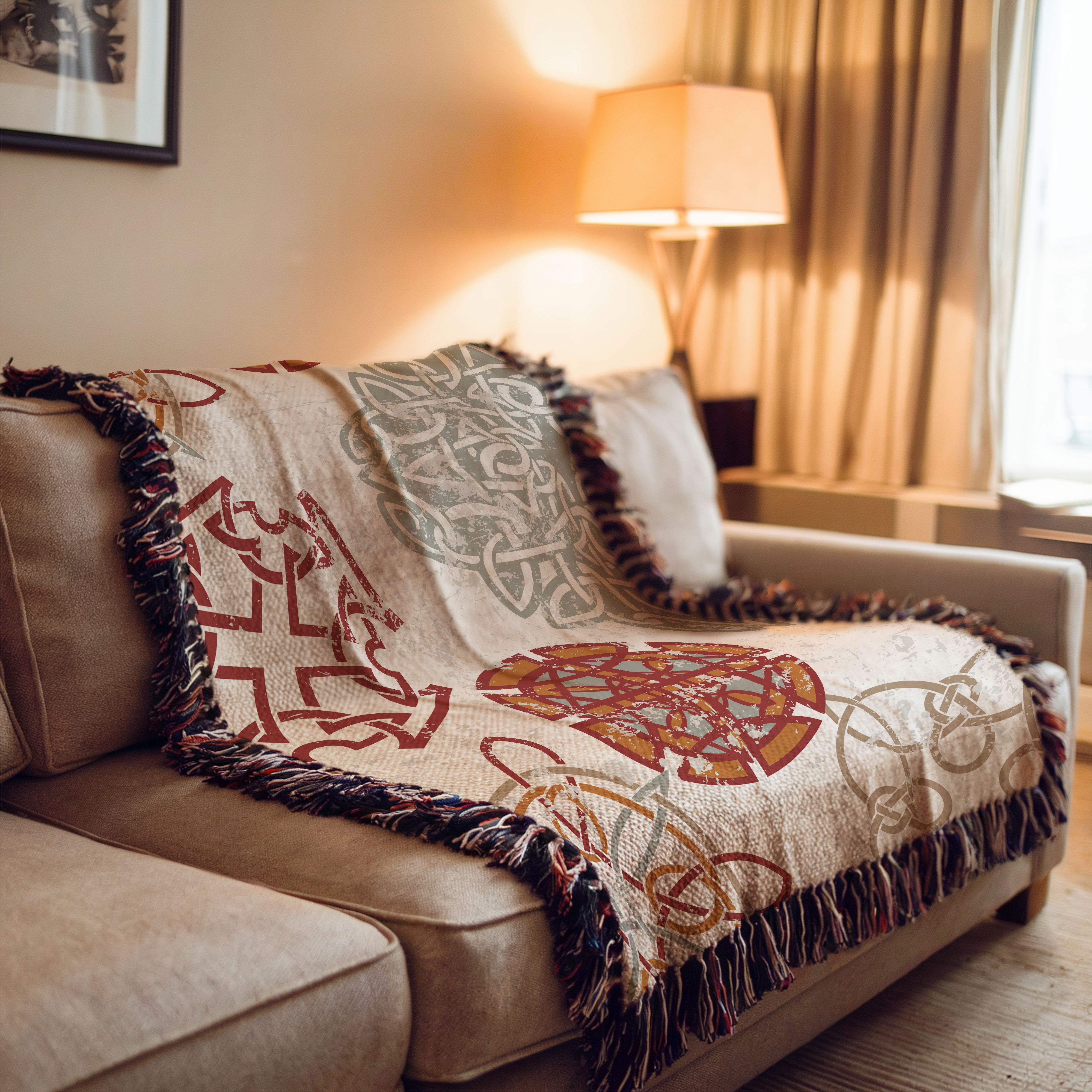
Materials determine how a piece ages. Look for natural fibers such as cotton, which is breathable, comfortable and durable with proper care. Cotton woven throws, like the Celtic Knot Woven Blanket, are made from 100% cotton with the design woven into the fabric. Visible threads and fringed edges signal a woven construction.
For prints and wall art, paper weight and ink quality matter. Heavier paper generally holds up better than thin stock. Ask what paper and inks are used before you buy, and check whether the seller describes them in specific terms.
Be cautious with synthetic blends and thin coatings. They can look attractive at first and fade, pill or peel sooner than natural materials.
Construction Details Worth Checking
Construction reveals more than marketing photos do. For woven pieces, examine how tightly the weave is set, whether the edges are finished cleanly, and whether the colors stay crisp at the borders. For framed art, look at the corners, the backing and how the mat is attached.
A common mistake is focusing only on the front. The back of a piece, the stitching at the edge and the way a piece folds or hangs all show how it will behave in your home over time.
The article sets out a few clear standards to check a piece against before buying, and the table below summarises the materials it names.
| Material | Why it holds up | Note |
|---|---|---|
| Cotton | Breathable, comfortable and durable with proper care | Woven cotton throws are an example |
| Heavier paper | Generally holds up better than thin stock | Ask what paper and inks are used |
| Synthetic blends and thin coatings | Can fade, pill or peel sooner than natural materials | Approach with caution |
A Checklist for Evaluating Craftsmanship
Use this list before you commit to a purchase:
- The materials are named specifically (for example, 100% cotton or archival paper), not described vaguely
- The design is woven or printed in a way that will not fade or peel with normal use
- Edges, borders and fringe are finished evenly, with no loose threads at the seams
- Colors look consistent across the piece, without patchy or muddy areas
- Care instructions are clearly stated, and they are realistic for daily life
- The size suits the space you plan to use it in, not just the photo
- The design still appeals to you when you imagine it in five years, not only today
If a piece fails more than two of these checks, it is probably better suited to a short-term decorating project than to a long-term collection.
How to Mix Vintage and Modern Decor Without Clutter
Heirloom pieces look best when they are given room to breathe. Mixing vintage and modern decor works when one or two statement pieces carry the story and the rest of the room stays calm. A woven throw with an old-world castle or knotwork design can anchor a sleek sofa, while modern lighting and clean surfaces keep the space from feeling like a museum.
Limit the number of competing patterns. If the throw is detailed, choose solid walls and simple furniture. Repeat one or two colors from the artwork in smaller accents, like a cushion or a lamp base, so the pieces read as a deliberate group.
How to Decorate With Family Heirlooms
Family heirlooms carry emotional weight, which can make them harder to place. Start by choosing the piece with the strongest story and building the room around it. A grandparent's chair or a framed family print will feel more intentional if the surrounding colors and textures support it rather than compete with it.
If an heirloom is fragile or damaged, consider displaying it in a spot with low light and stable humidity, away from radiators and direct sun. Modern pieces that complement the heirloom can then sit nearby without overshadowing it.
Vintage Home Decor Ideas for Story-Rich Rooms
Vintage home decor works best when it tells a consistent story. A reading corner built around folklore and medieval themes might combine a woven throw, a framed botanical print and a wooden side table. The Celtic Knot Woven Blanket, with its intricate knotwork and fringed edges, works well draped over an armchair in such a space. It adds texture without demanding that the rest of the room be themed to match.
For a more atmospheric look, pair a sea serpent or castle woven blanket with muted, earthy tones. The key is to choose one main story per room. Several competing themes usually feel like clutter rather than curation.
Where to Source Authentic Pieces
Buy from sellers who describe their materials and making process in detail. Look for clear product photos taken in natural light, specific size options, and honest care instructions. Read product pages carefully and check whether the design is woven or printed, since that affects durability.
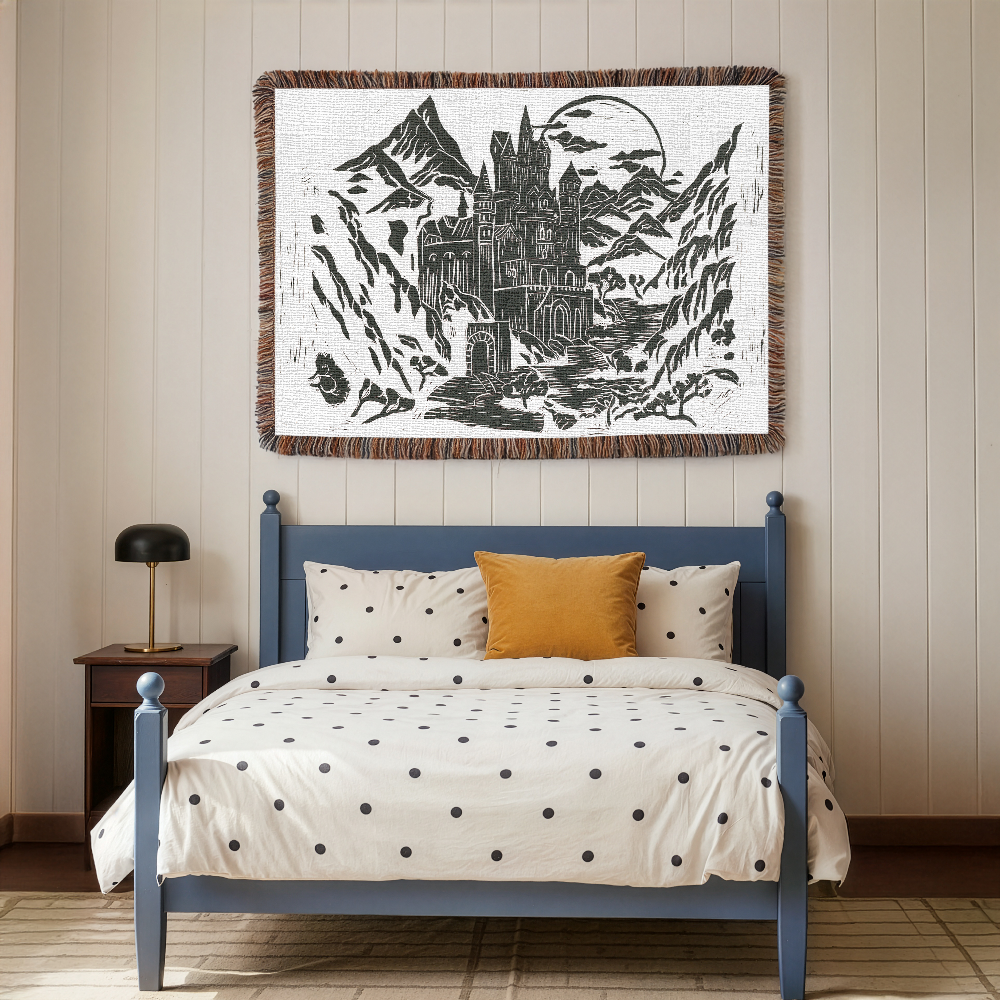
At Modern Medieval Press, every design is considered in its final form, whether that is a fine art print, a woven blanket or a dimensional bookmark. The Celtic Tree of Life Woven Blanket, priced at $48.99, is a good starting point for readers who want an autumn-toned piece with a clear symbolic meaning, and the Castle Mountains Gothic Woven Blanket at $80.00 suits anyone building a dark, story-driven room.
Be wary of sellers who offer many sizes for the same design without explanation, since not every artwork translates equally to every size.
Caring for Your Pieces So They Last for Generations
Care determines how long a piece stays heirloom quality. Follow the manufacturer's instructions closely. For 100% cotton woven blankets, follow the care label: machine wash on a cold, gentle cycle with mild detergent, avoid chlorine bleach, and tumble dry on low heat.
For framed prints, keep them out of direct sunlight to help prevent fading. Store textiles in breathable containers rather than sealed plastic bags, which can trap moisture.
Watch out: high heat in a tumble dryer can shrink or set the fibers of cotton textiles, so use the low-heat setting.
Choosing Your First Piece to Start Your Collection
Start with one piece you will use every day. A throw that you reach for on cold evenings will teach you more about quality than any checklist. Choose something that fits your space, speaks to a story you care about, and is made from materials you trust.
Once that first piece is in your home, use it as a benchmark. Notice how it wears, how it looks in different light and how often you use it. Those observations will help you judge the next purchase. Explore the artwork and begin with a piece that feels like it already belongs to your home.
Our woven blankets, art prints and dimensional bookmarks are made to be lived with. Explore the artwork and find the piece that tells your story.
Frequently Asked Questions
What makes a home decor piece an heirloom?
An heirloom piece is made to be kept and passed on, not replaced after a few seasons. It usually combines durable materials, careful construction and a design that stays relevant over decades. Its value also comes from the story attached to it, whether that is a family history or the research and folklore behind an artwork. When you judge a piece, ask whether it would still look right in twenty years and whether someone would want to inherit it.
How do I choose heirloom decor that suits my home?
Start with the room and the mood you want, then look for pieces that fit both. A woven cotton blanket in a reading corner or a folklore-inspired print in a study can anchor a theme without overwhelming it. Measure your wall or furniture before buying, since sizing is one of the most common reasons art ends up unused. Choose pieces you will still enjoy when your taste shifts, because that is what keeps heirloom decor from feeling dated.
How can I mix heirloom pieces with modern decor?
Balance one or two statement heirloom pieces against clean, simple modern furniture. Repeat a color from the heirloom piece in a cushion or lamp so the two styles feel connected. Keep the number of themed objects small so each one has room to be noticed. A single woven throw draped over a modern sofa often looks more deliberate than a full room styled as a period set.
How do I care for heirloom textiles and artwork?
For woven cotton blankets, follow the care label: machine wash cold on a gentle cycle with mild detergent, avoid chlorine bleach, and tumble dry on low heat. Keep textiles out of direct sunlight to prevent fading, and store them folded in breathable fabric rather than sealed plastic. Framed prints should be kept away from humidity and direct sun.
Can new decor become an heirloom?
Yes. A piece becomes an heirloom through the qualities it has and the story it collects, not only its age. Choosing well-made pieces with durable materials today gives them the best chance of lasting. Adding personal context, such as where you bought it or why it matters to you, helps the piece carry meaning to the next owner. Over time, a thoughtfully chosen item can become the kind of object a family keeps.
