

Quick Summary
To mix vintage and modern decor, start with a dominant style at about 80 percent and let the other fill roughly 20 percent. Anchor the room with one piece, repeat its common thread, and pair it with a neutral backdrop whose undertone matches your vintage wood or metal.
- Use roughly 80 percent of one dominant style and 20 percent of the other.
- Choose a neutral backdrop by undertone: warm whites suit warm woods, soft grays suit chrome and glass.
- Keep large furniture in simple modern silhouettes and let vintage live in small objects.
- Run a three-bin edit on your decorative objects before adding anything new.
- Hold about 20 percent of the room budget back for repairs, rewiring and refinishing.
Table of Contents
- Start With One Anchor Piece and a Neutral Backdrop
- Balance Scale, Texture and Negative Space Across the Room
- Edit Your Collection and Build a Cohesive Vintage Modern Interior
- Frequently Asked Questions
Start With One Anchor Piece and a Neutral Backdrop
Most guides to mixing vintage and modern decor open with the same advice: pick an anchor. That is correct but incomplete, the anchor only works with a deliberate ratio and a neutral foundation chosen by undertone.
Apply the 80/20 Rule Before You Shop
Use roughly 80 percent of one dominant style and 20 percent of the other: if your architecture is modern, let modern be the 80 and treat vintage as the accent layer; in an older home with original millwork, flip it.
Choose the Anchor by Common Thread, Not by Drama
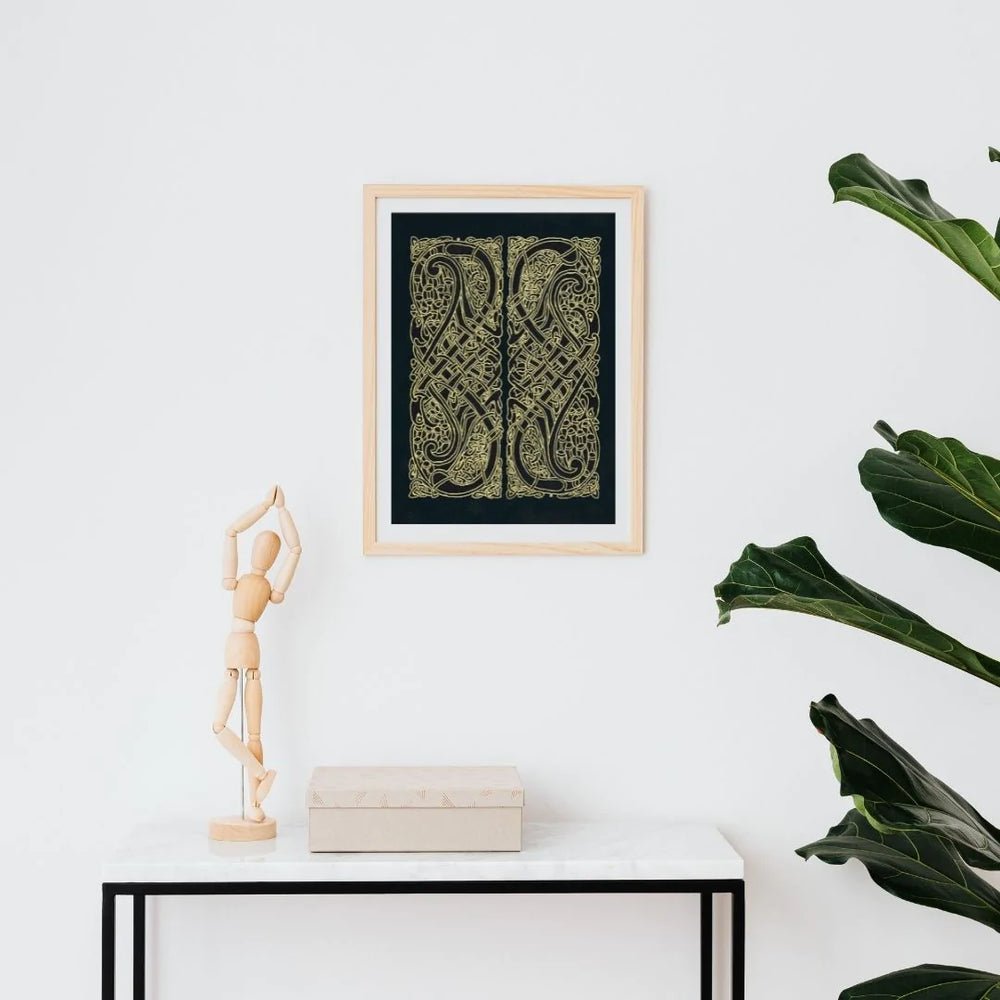
An anchor piece establishes the common thread, a color, finish, motif, or material, that every other object echoes. A vintage brass lamp can anchor a modern living room if you repeat that brass in a drawer pull and a picture frame.
Pick the Neutral Backdrop by Undertone
"Neutral" is not a single color. White, cream, and soft gray each carry an undertone that determines whether your vintage pieces look intentional or accidental.
Warm vintage woods (oak, pine, orange- or red-toned walnut) pair with warm whites and creams; a cool gray wall makes orange-toned wood look pink or muddy. Cool pieces (chrome, glass, blue-gray ceramics, silver-leaf frames) pair with soft grays and cool whites; cream makes chrome look yellow. When in doubt, choose a warm off-white with a slight yellow or green undertone.
Sample the paint on the actual wall next to the anchor piece and view it in morning and evening light before committing.
Keep the Furniture Lines Quiet
Keep large upholstered pieces and case goods in simple, modern silhouettes, straight legs, tight backs, no skirted sofas or carved aprons. The vintage layer belongs in small objects: lamps, frames, bookends, trays, and textiles.
Watch out: hanging several dramatic prints at once flattens the anchor effect. One strong piece plus a quiet wall does more work than a gallery wall of competing focal points.
Balance Scale, Texture and Negative Space Across the Room
Balance comes from mixing scale, texture, and empty space. A bold vintage piece needs a modern counterweight nearby, and a tactile throw such as the Castle Mountains Gothic Woven Blanket can bridge the two styles.
Leave open space around your favorite pieces; negative space makes each object easier to see.
The article's key scale, texture and spacing guidance is easier to scan at a glance.
| Element | Guidance | Note |
|---|---|---|
| Dominant style | About 80 percent | The other style takes about 20 percent |
| Accent layer | About 20 percent | Flip the ratio in an older home with original millwork |
| Counterweight | Modern piece near a bold vintage piece | Balances scale across the room |
| Textile bridge | Tactile throw, e.g. Castle Mountains Gothic Woven Blanket | Connects the two styles |
| Open space | Leave space around favorite pieces | Makes each object easier to see |
Edit Your Collection and Build a Cohesive Vintage Modern Interior
Editing is where most attempts to mix vintage and modern decor fail: deciding what stays, what goes, and where the rest comes from without blowing the budget is hard.
Run the Three-Bin Edit
Pull every decorative object in the room onto the floor or a large table and sort into three bins:
Set a Cohesion Test for New Additions
Before anything new enters the room, run it through four checks:
Source Vintage on a Budget
Practical sourcing channels, roughly in order of cost:
Estate and tag sales: arrive early for the best pieces and late for the deepest discounts. Thrift and charity shops: best for frames, ceramics, brass, and books; inspect for chips, cracks, and missing hardware. Facebook Marketplace and local auction sites: best for furniture; ask for photos of joints, undersides, and drawer interiors. Architectural salvage yards: best for hardware, doors, and lighting; expect to rewire lamps. Estate auction houses: best for art and silver; factor in buyer's premiums and pick-up logistics.
Set a per-room budget and hold roughly 20 percent back for repairs, rewiring, and refinishing; a vintage lamp that needs rewiring is not a bargain if the rewiring costs more than the lamp.
Care for Mixed Materials
Dust wood with a dry microfiber cloth, avoid silicone polishes, and keep it out of direct sun and away from heat registers. Vacuum modern upholstery weekly and blot spills with a clean white cloth rather than rubbing. Hand-wash or dry-clean wool and cotton vintage textiles; never machine-dry. Clean brass and copper with mild soap, leaving the patina for a vintage read or polishing to bridge to modern chrome. Keep vintage textiles off high-traffic modern upholstery, where abrasion shows first, use them on benches, headboards, and wall hangings.
Claim the Sustainability Angle
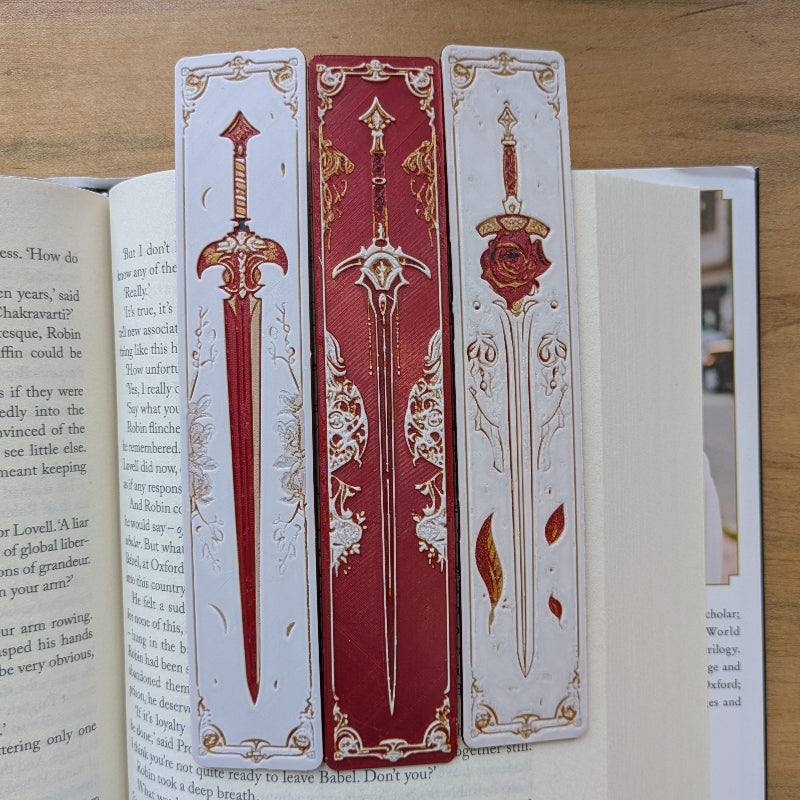
Framing the edit as a circular-economy decision makes the three-bin edit easier to commit to, because releasing a piece is redistribution, not waste. For compact, giftable accent pieces that tie a vintage-modern theme together, browse the Crimson Oath Sword Bookmark Set.
Watch out: do not buy vintage upholstery without checking for pests and odors. Inspect seams, undersides, and cushion cores, and quarantine the piece in a garage or covered porch for a few days before it enters the room.
Frequently Asked Questions
Can you mix vintage with modern?
Yes. Vintage and modern pieces work well together when they share a common thread, such as a color palette, material or silhouette. Start with a neutral backdrop of walls, rugs and larger upholstery, then add a handful of older pieces with character as focal points. Mixing eras creates depth, and the contrast between a clean modern line and a weathered antique finish is often what makes a room feel collected rather than staged.
How do you mix vintage and modern furniture in a living room?
Pair one or two statement vintage pieces, such as a carved side table or an antique armchair, with simple modern seating and a neutral rug. Keep the layout uncluttered so each piece has room to be seen. Repeating one or two colors across old and new pieces helps them read as part of the same scheme, and a single textile, like a woven blanket with a medieval motif, can connect the two styles.
How can you mix vintage and modern decor without making a room feel cluttered?
Limit the number of statement pieces, usually one anchor item per zone of the room, and leave negative space around them. Edit the collection before adding anything new: keep items that share a palette or theme and remove those that compete for attention. Balancing scale also helps, so pair a large vintage piece with a smaller modern one rather than several items of similar size.
